
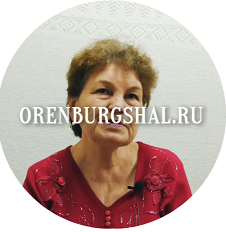
Craftswoman
Gulnara Safievna
Orenburg Region
An experienced craftswoman who loves working among like-minded people
-
32 years
craftswoman's age
-
350
shawls knitted
About the craftswoman
Gulnara Safievna began knitting down items professionally later than most craftswomen.
“I started knitting stoles for sale while on maternity leave,” she says. “But before that, at a younger age, I knitted cardigans and sweaters. I took up down shawls in 1988. Back then we still lived, so to speak, in a Soviet republic,” the craftswoman laughs. “But I was already knitting there.”
Gulnara Safievna was taught by her grandmother. During maternity leave, stoles became a very good help for the young family.
A sisterhood of knitters
In the 2000s Gulnara Safievna moved to Saraktash and was very glad to find herself among her own people.
“Of course it's great when you find yourself in an environment with so many like-minded people around you!” she shares. “People are very friendly and open. They readily share patterns with each other and teach how to knit new elements.”
We have noticed more than once that craftswomen, as a rule, do not keep secrets from each other and readily share their techniques and methods within the team. This moves the craft forward even more.
Children and the future of the craft
Gulnara Safievna has a son and a daughter. She has already taught her daughter to knit down shawls, although she does not do it professionally yet.
“In any case it's a necessary and useful skill. Life is long; sooner or later it will come in handy.”
About the future of the craft, the craftswoman says it probably exists, but she is very worried that young girls are little involved in the craft.
Why a shawl should not be brushed
Like most knitters, Gulnara Safievna is wary of brushing and shares the company's position on this issue.
“I wouldn't brush it,” she says. “It will clearly affect its service life. Maybe not right away, but sooner or later the shawl will start to shed. Why would you need that?”
There was also an interesting story: Gulnara Safievna's sister travelled to Israel and asked for a shawl to show there.
“According to my sister, they were delighted,” the craftswoman says. “They have nothing like it.”
Part of a living tradition
The Orenburg down shawl survives thanks to craftswomen who pass on their skills through family, neighbours and personal experience. Each item is linked not only to its pattern but also to the hand of the person who made it.
Help me choose an item
If you like this craftswoman's work but don't know which shawl to choose, we will suggest suitable options.