


Here are the main signs of counterfeit products:
The most obvious is colourful patterns and colour transitions.
This rainbow:
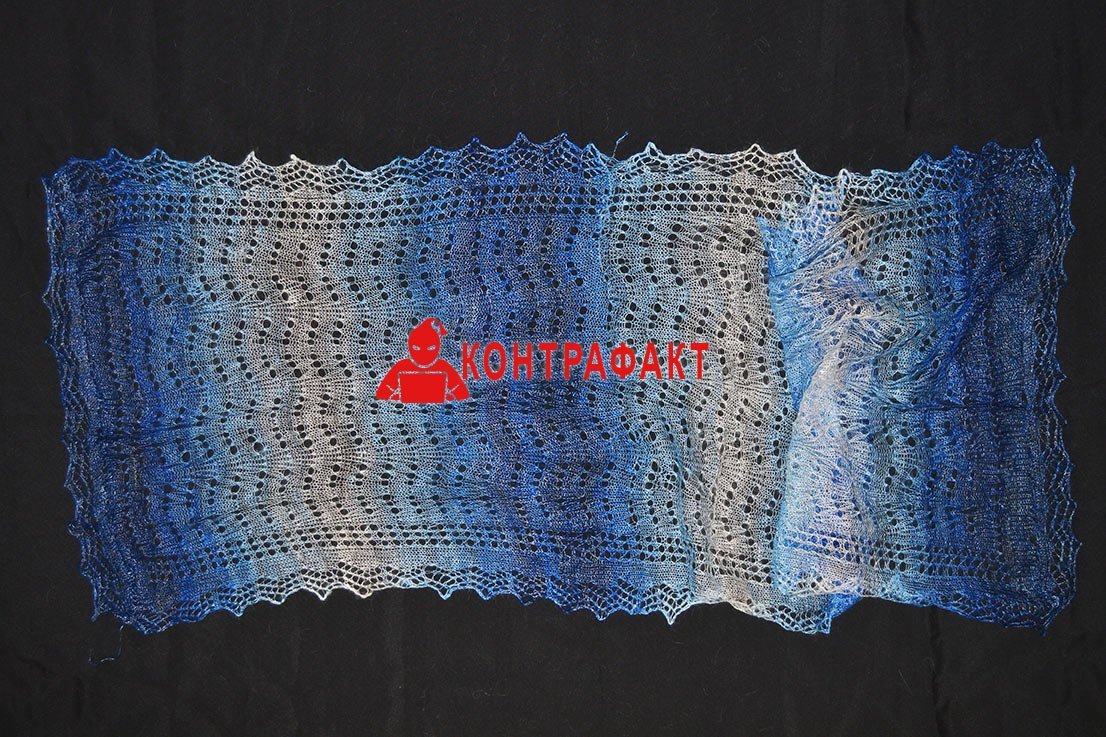
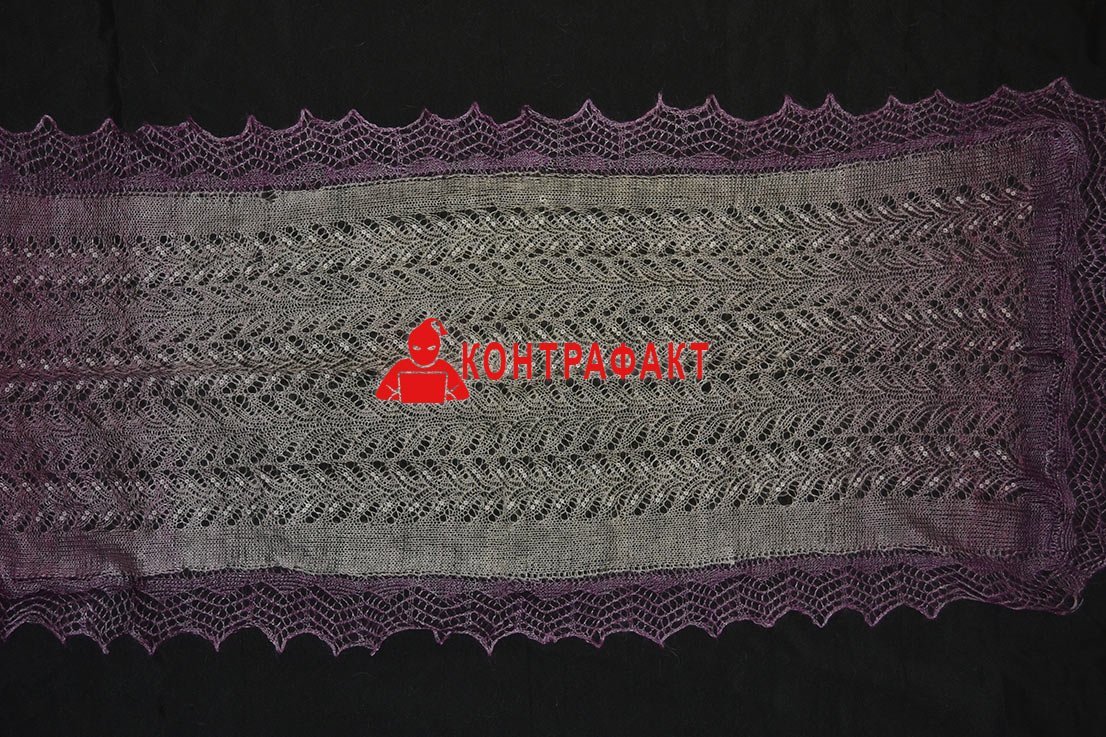
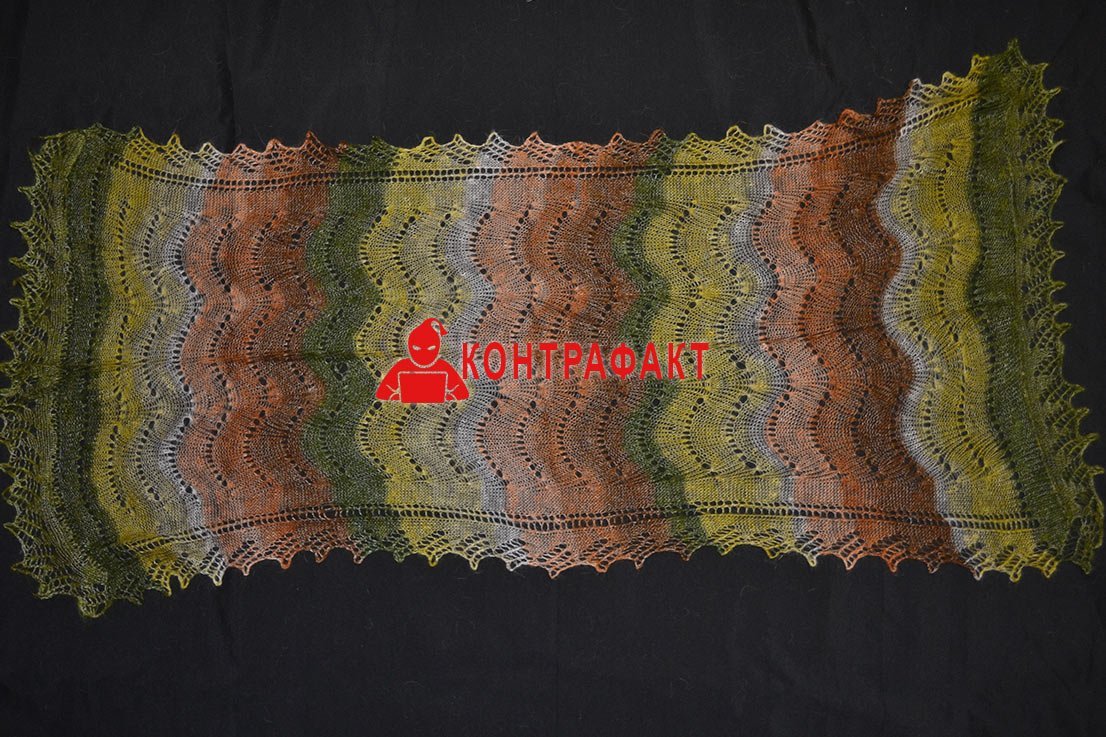
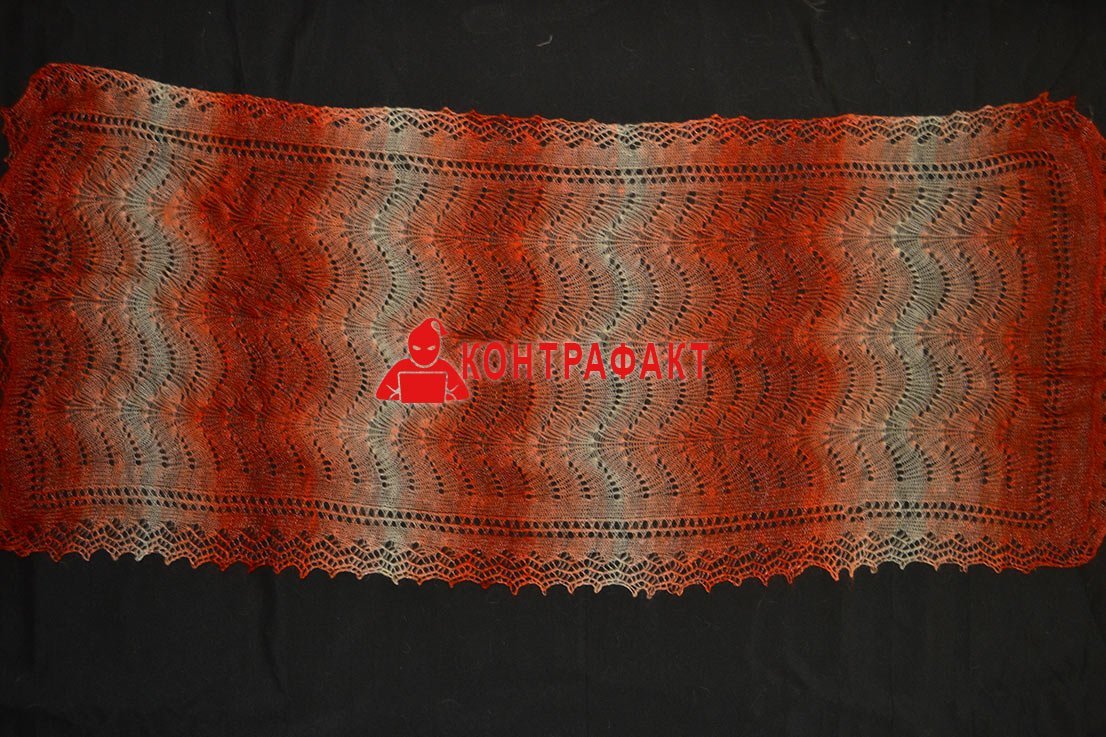
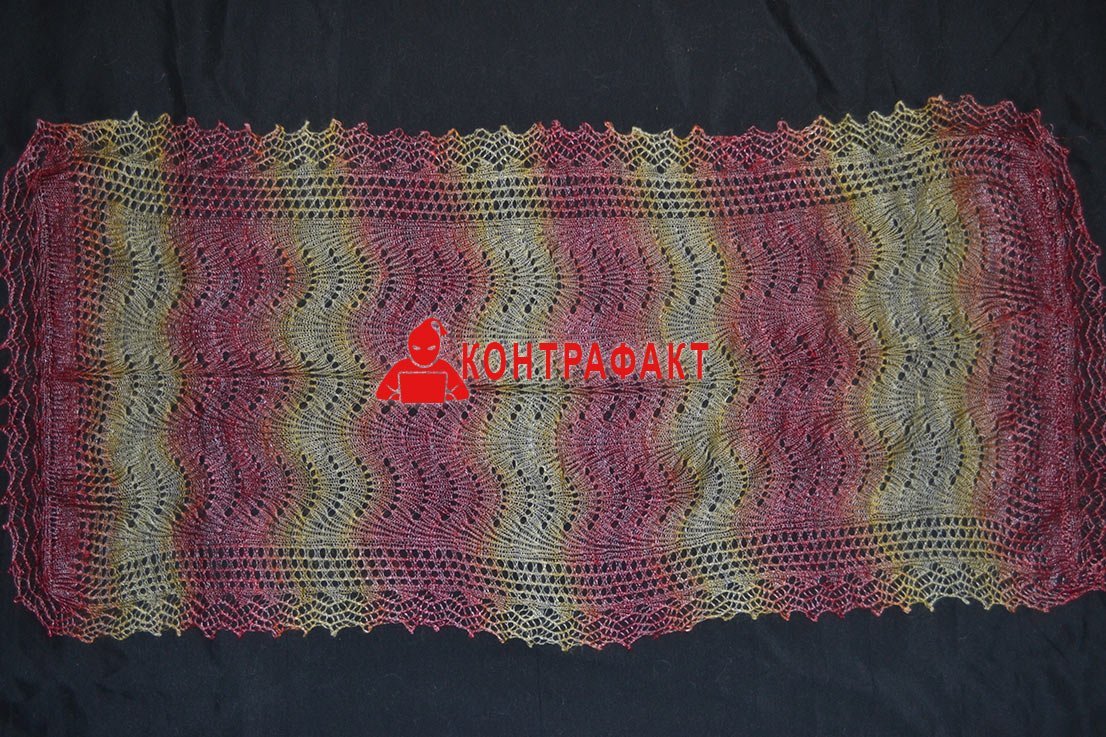
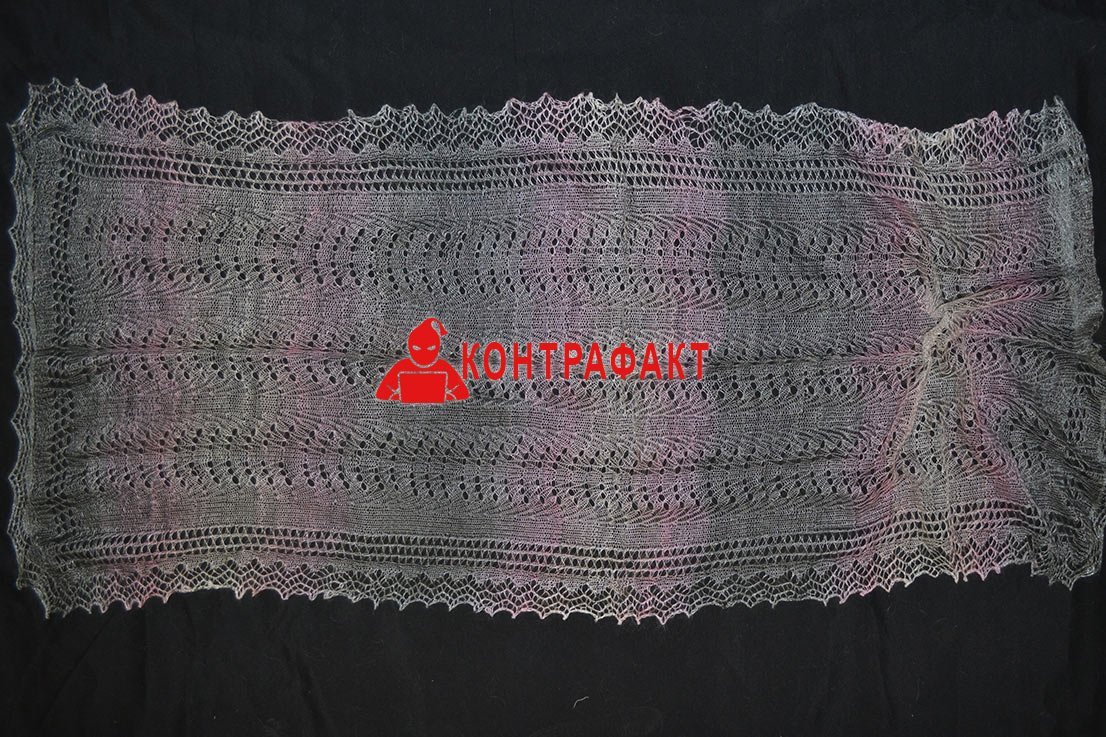
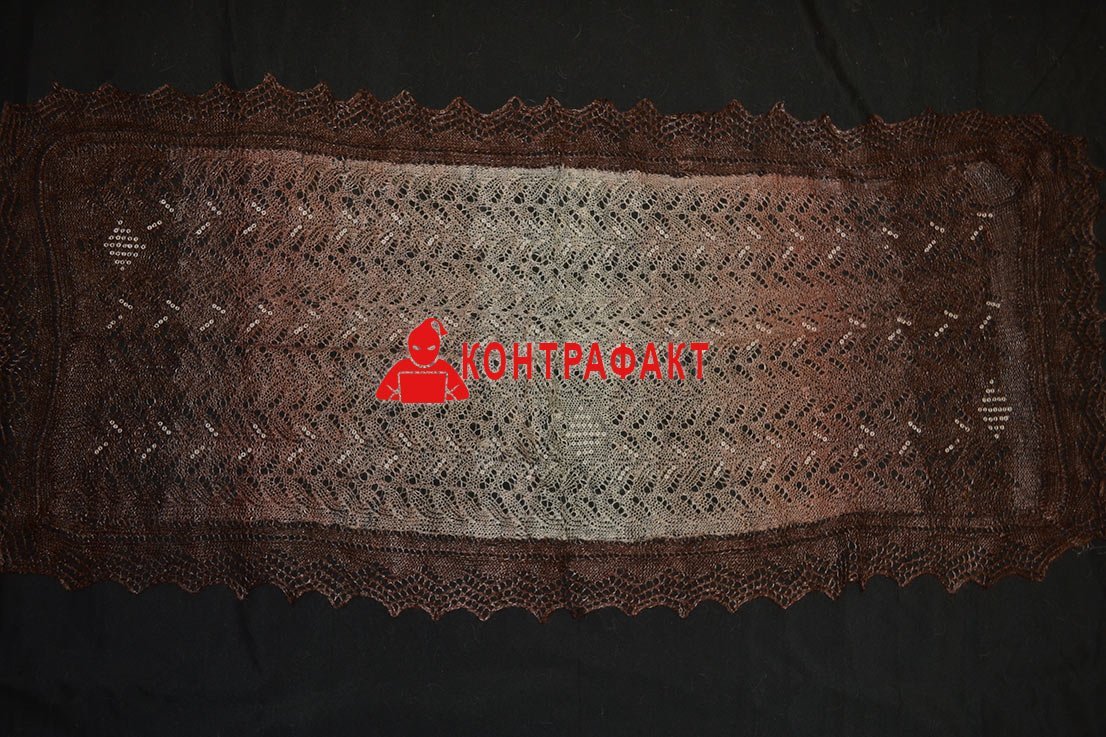
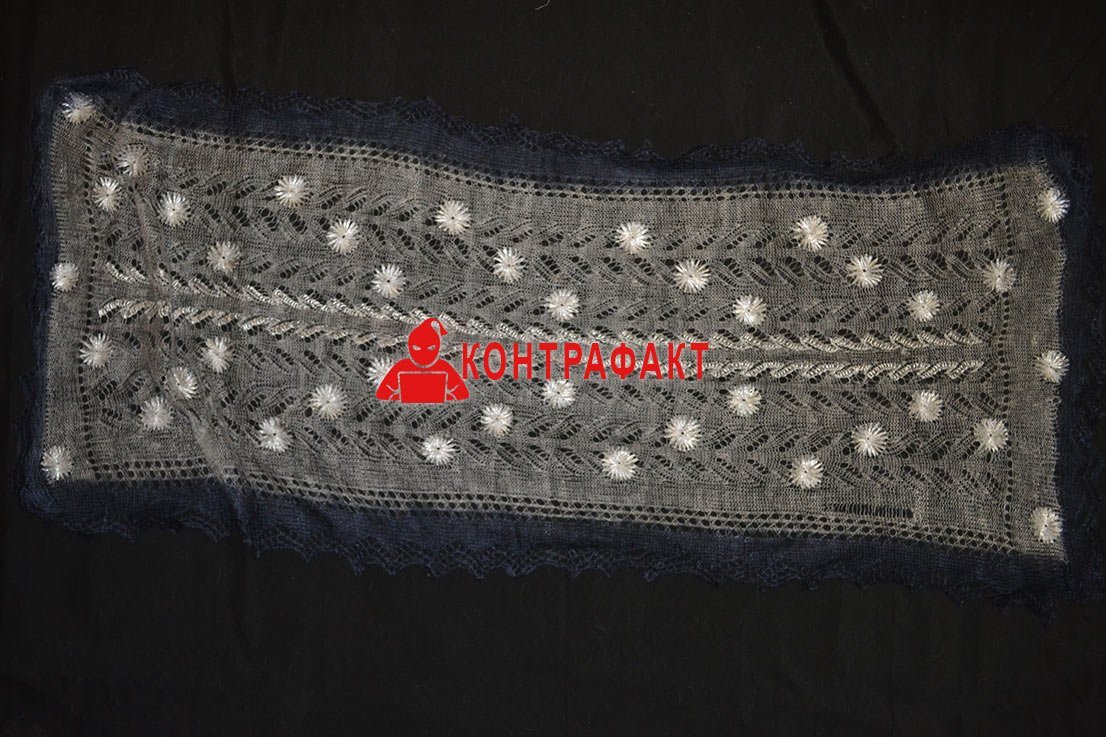
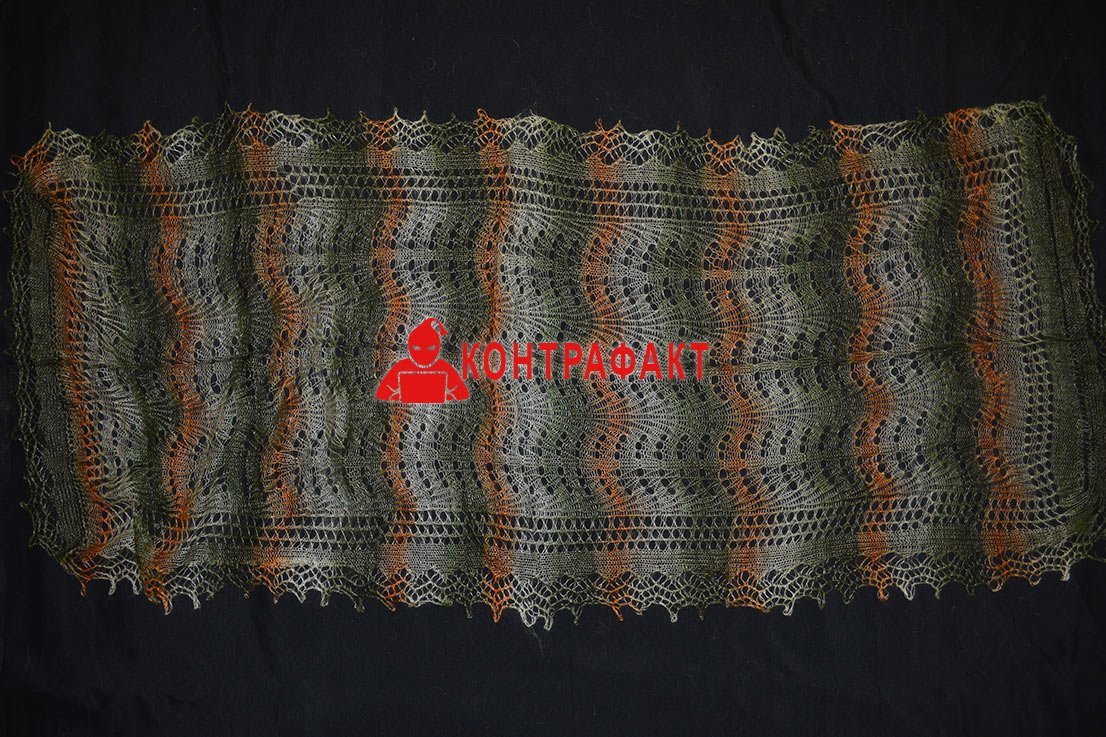
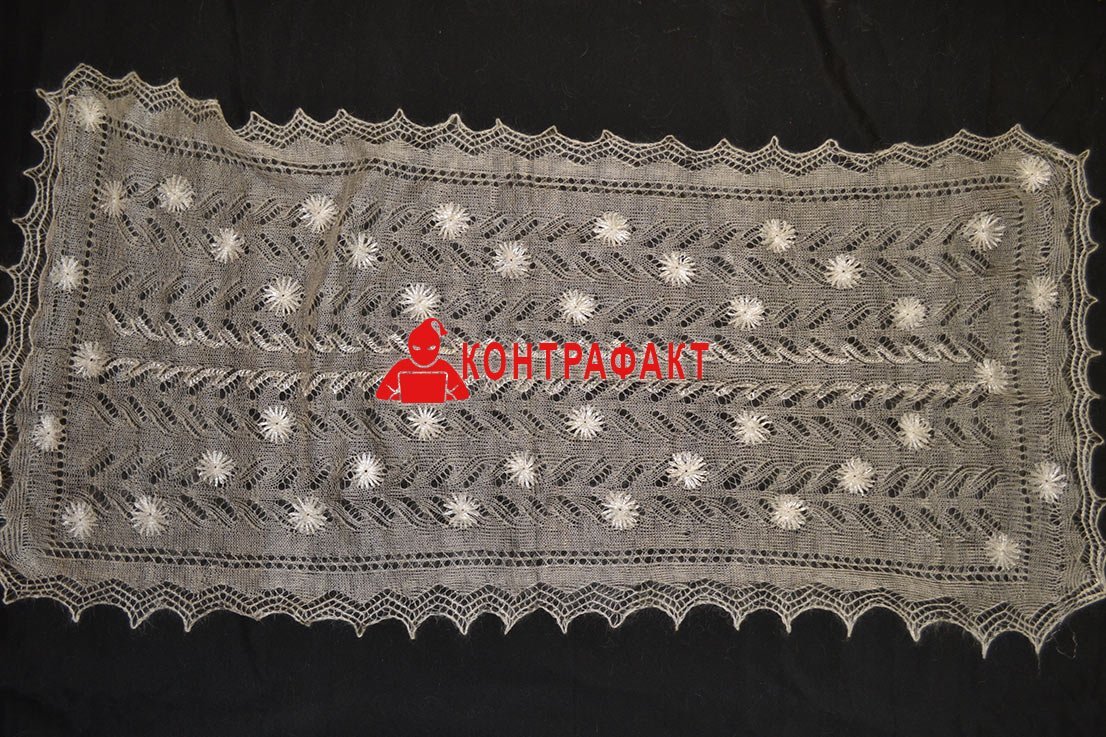
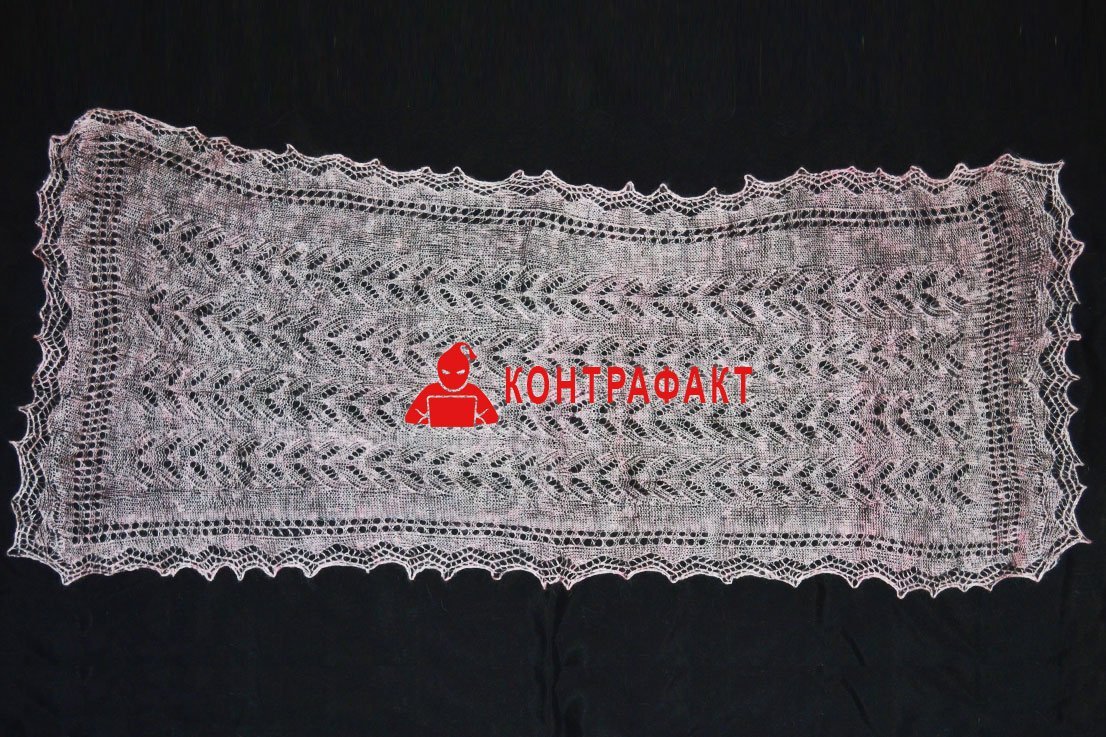
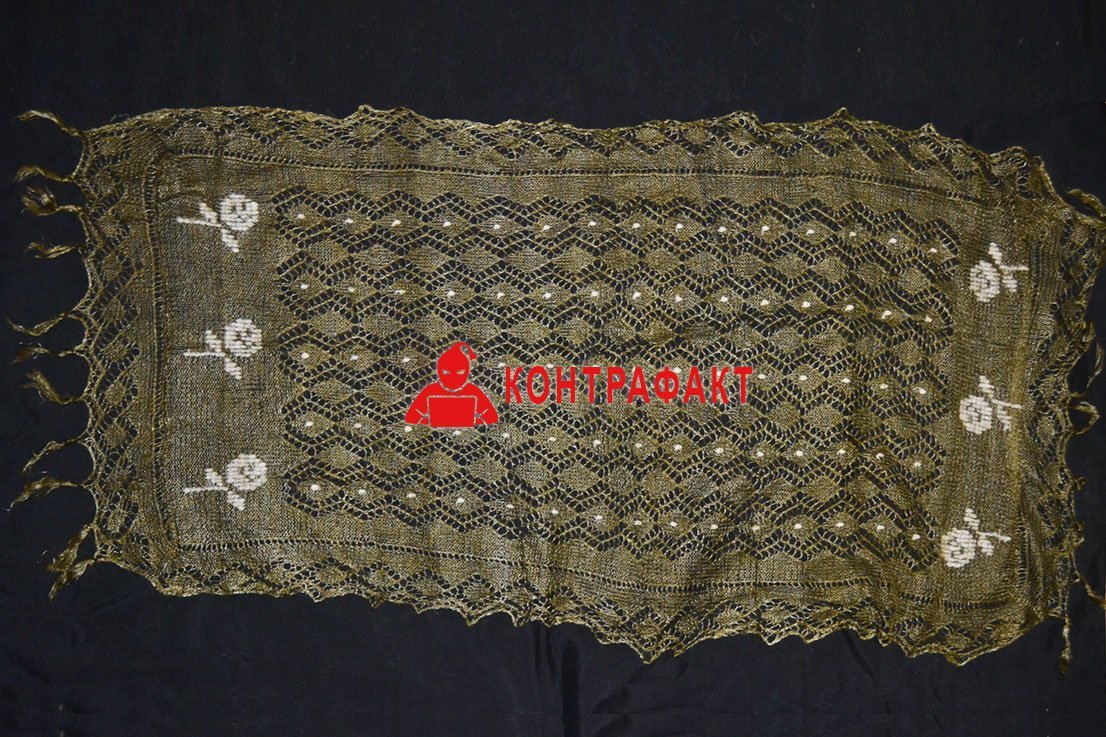
Only a small part of the possible variants is shown here.
By the way, even in Orenburg itself you will be hard pressed to find a shop that does not sell such a rainbow. And they will try long and hard to convince you that they keep up with the times and even dye the down themselves, and that such shawls are made by apprentices. In fact, dyeing finished products or down is not a problem. The only catch is that all the patterns on such “innovations” from Orenburg producers completely match Uzbek shawls. Yet for some reason there are no classic Orenburg patterns in colour.
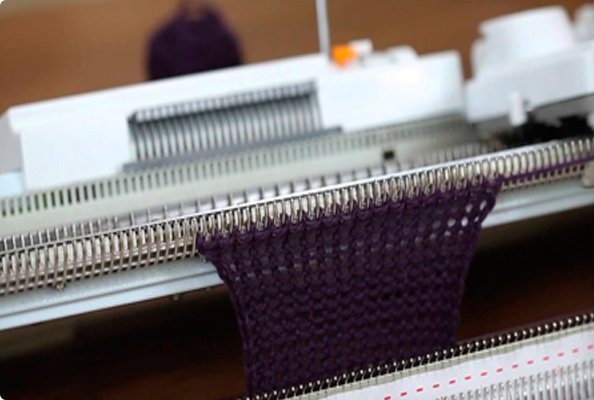
So do not be misled by websites that have no coloured products either. Asian (Uzbek) shawls and stoles can also be plain white and grey. There are also fluffy, curly Uzbek shawls, like a sheep's fleece. There is even down clothing, coats, sleeveless jackets and other refinements of Asian fashion. We will show you the main designs of Uzbek products. Since practically all the down items sold so briskly by fraudsters are machine-made, the patterns are quite limited. If you know your way around the patterns, it will be practically impossible to deceive you.
Here are the main ones:
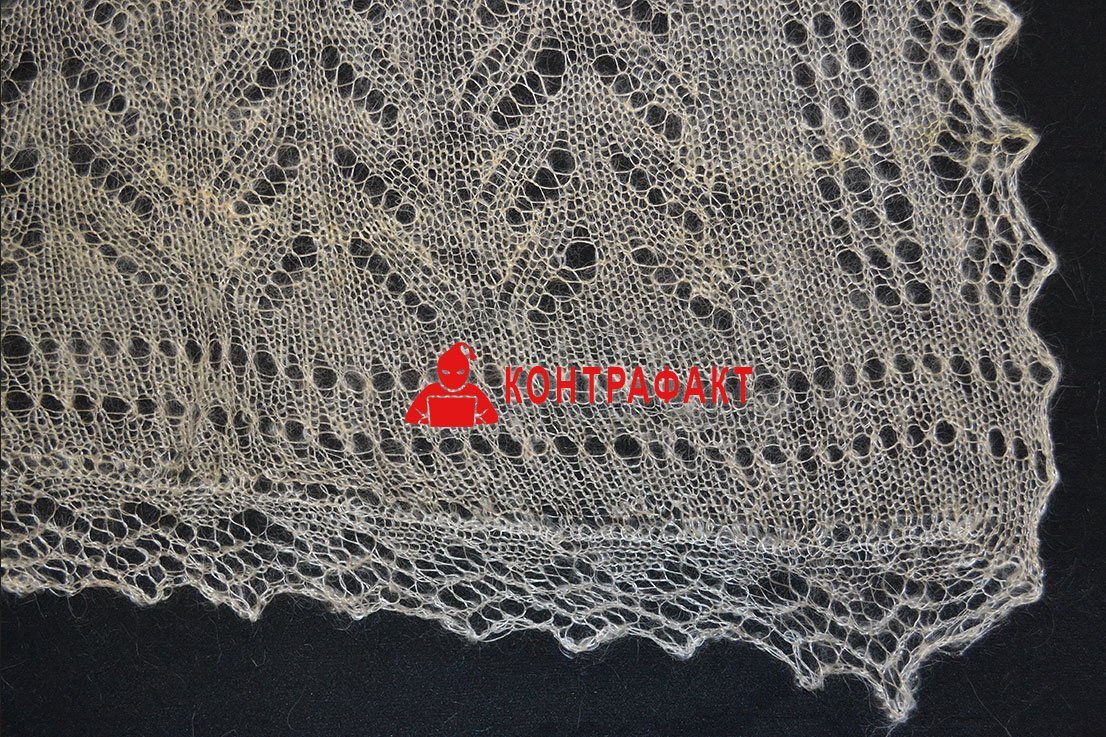
- Ears of wheat (or twigs)
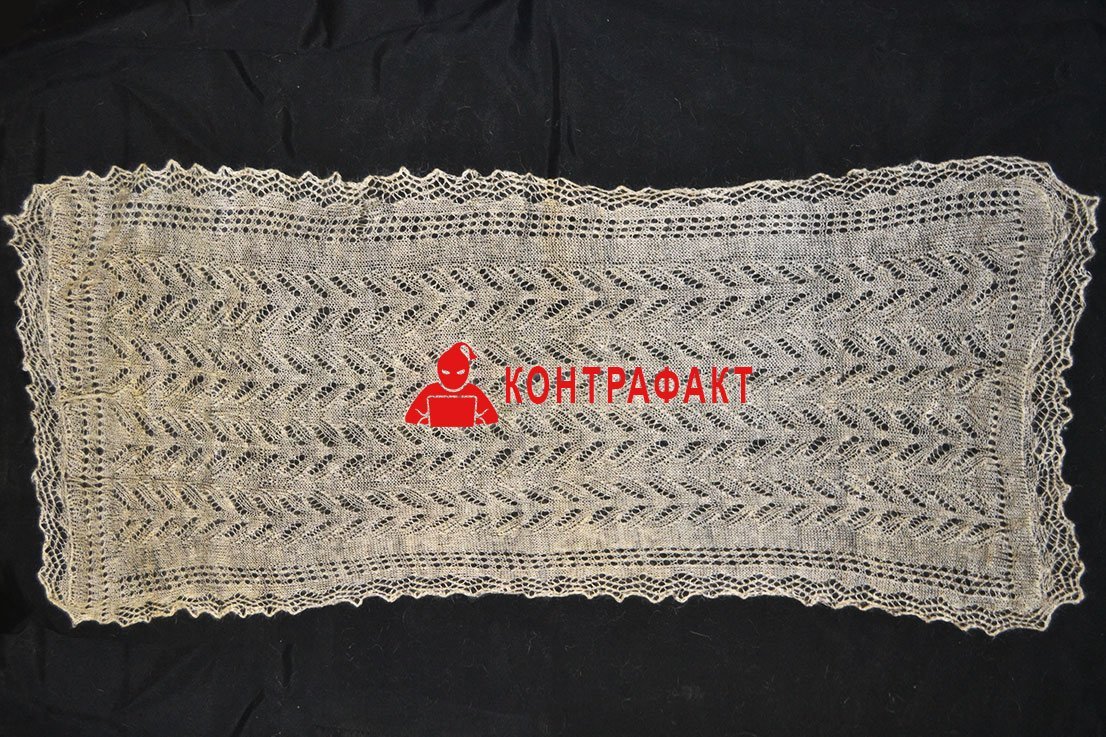
- Diamonds
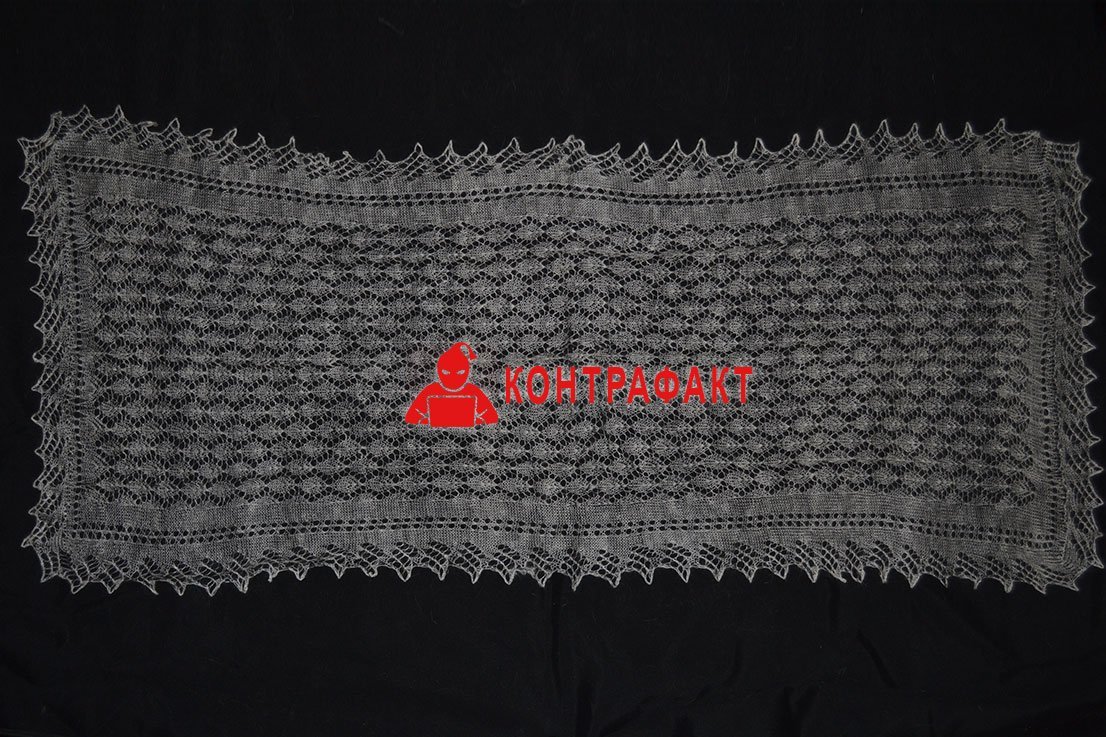
- Peacock tail
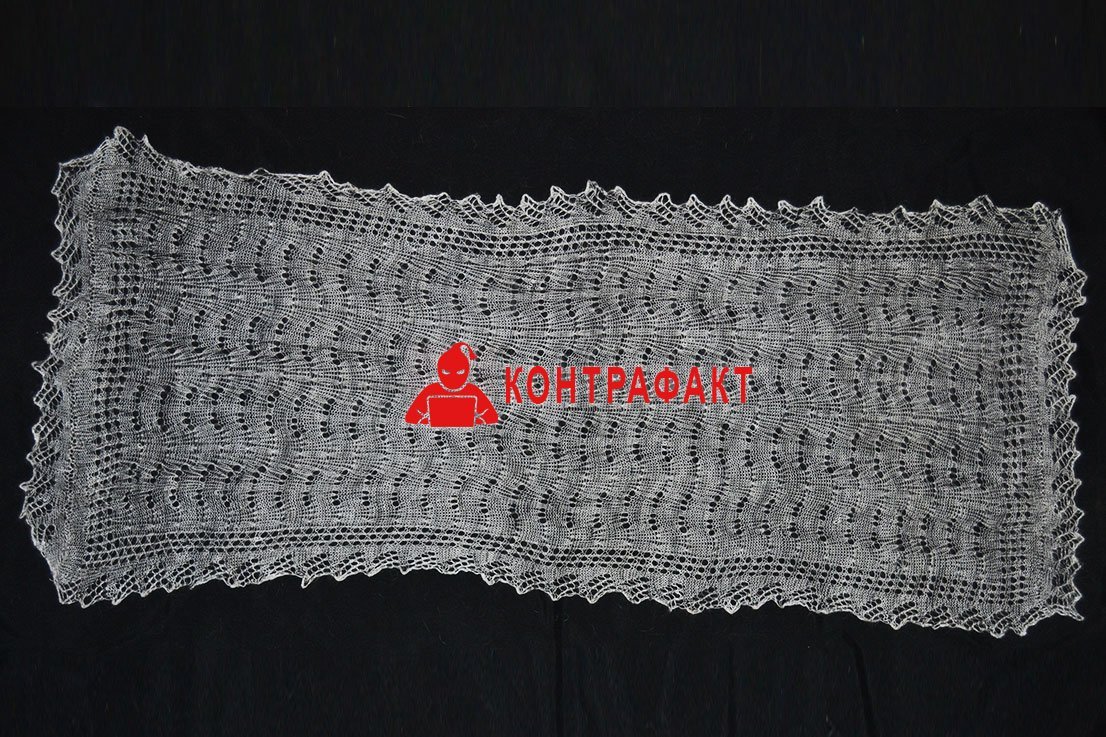
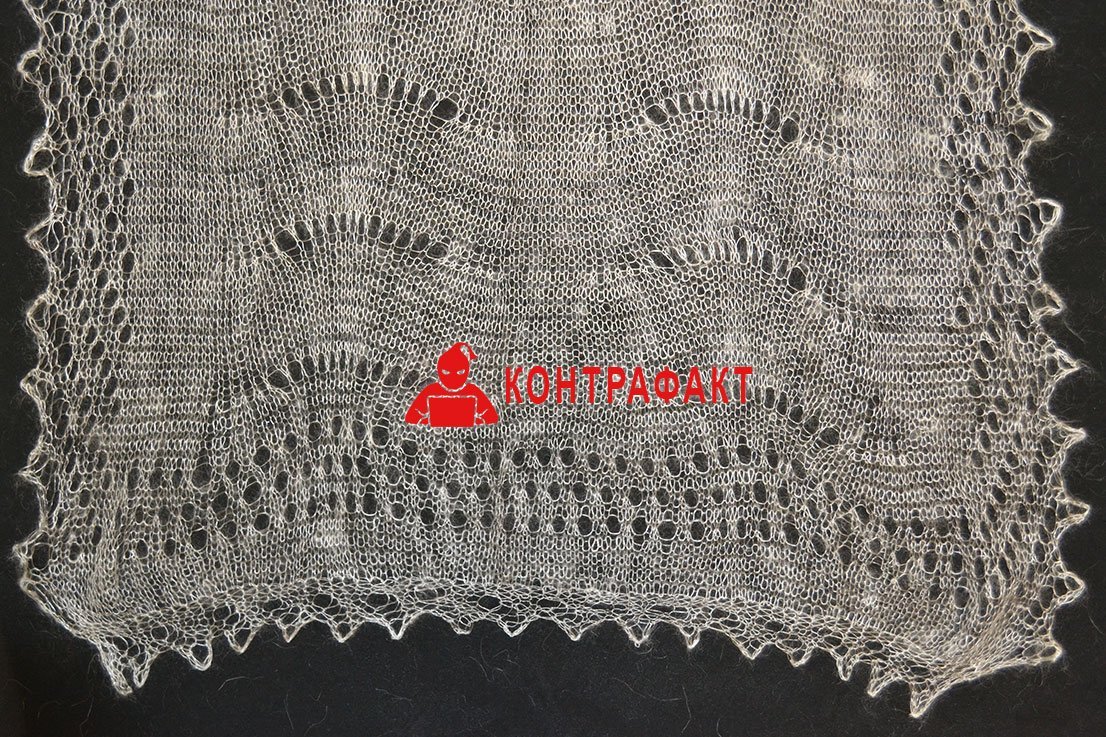
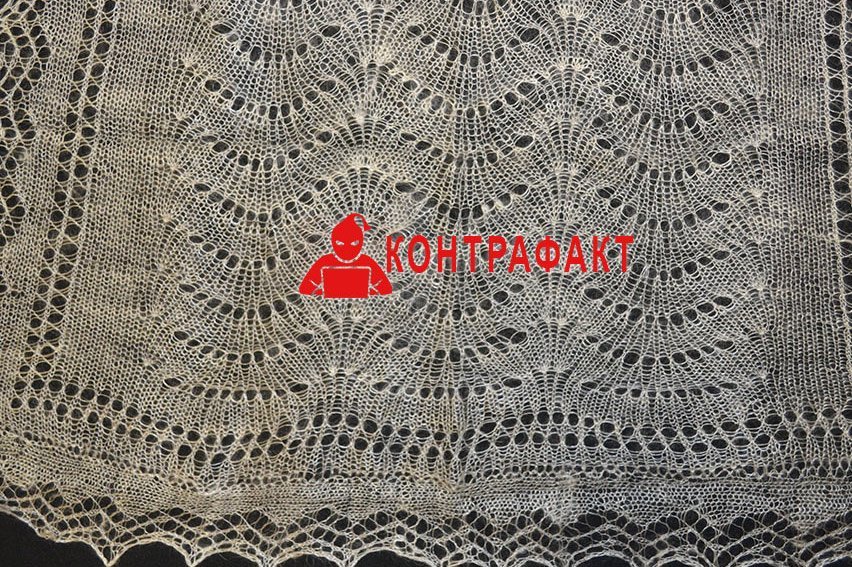
Note that the peacock tail is an old Kuvandyk pattern, but what local knitters make is entirely handwork, and therefore much more delicate and finely beaded than a fishing net knitted on a machine (photo of our stoles)
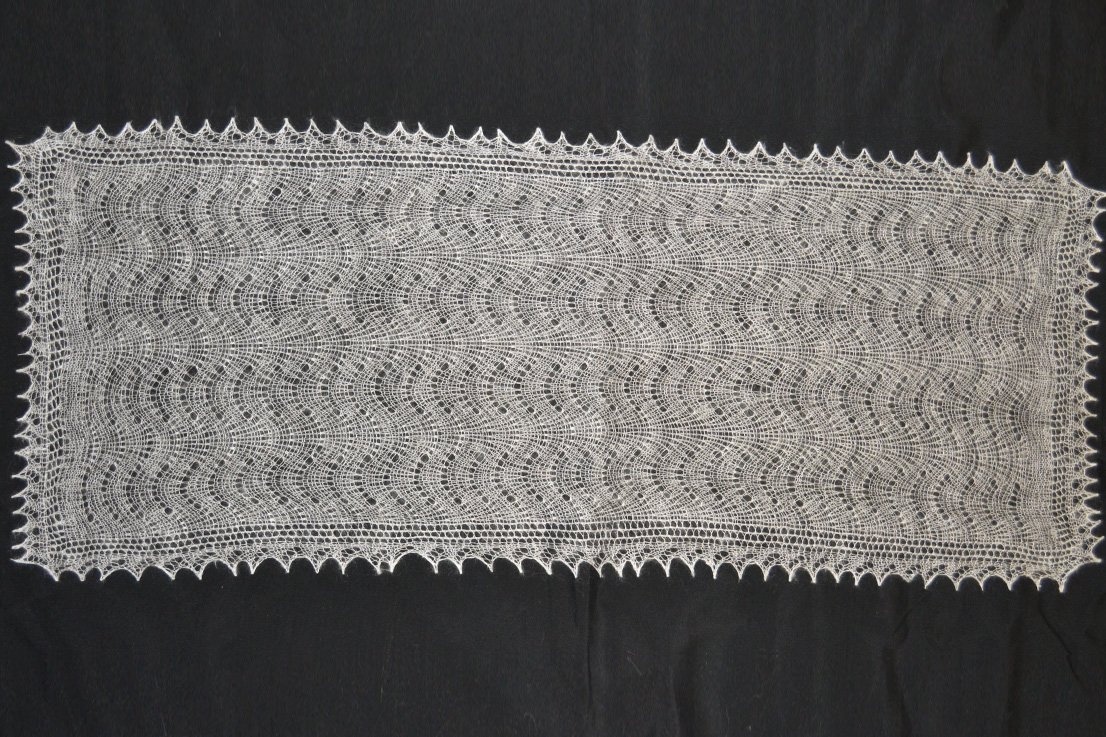
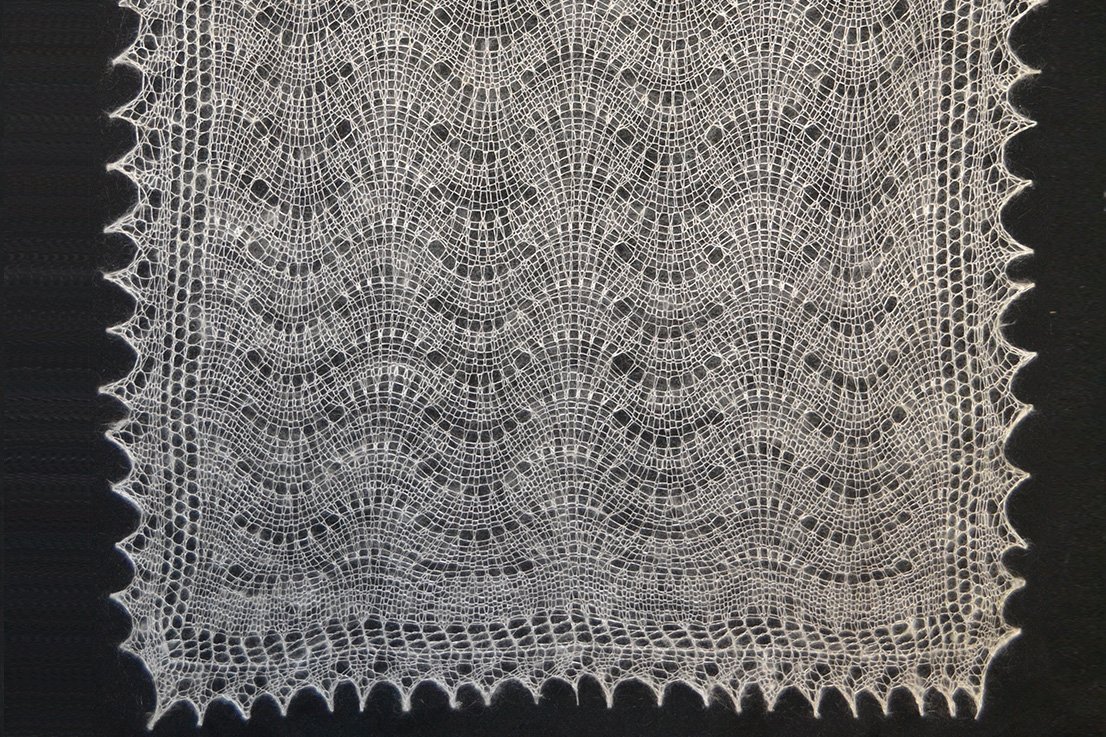
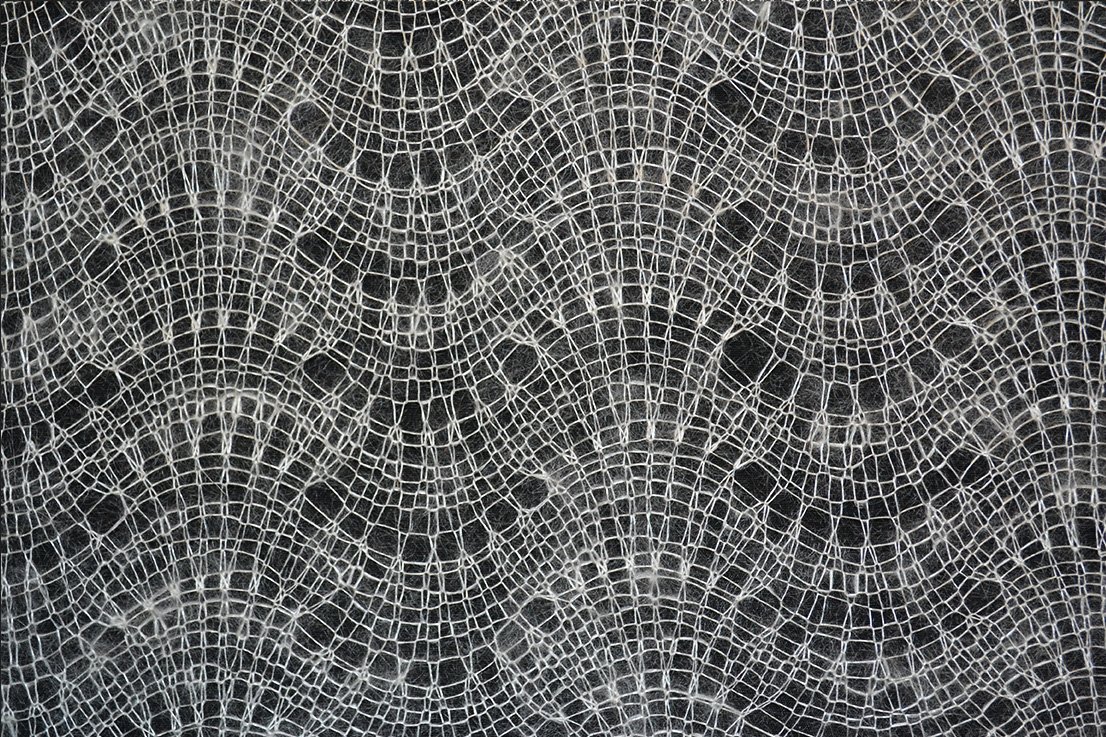
- Namangan and its interpretations
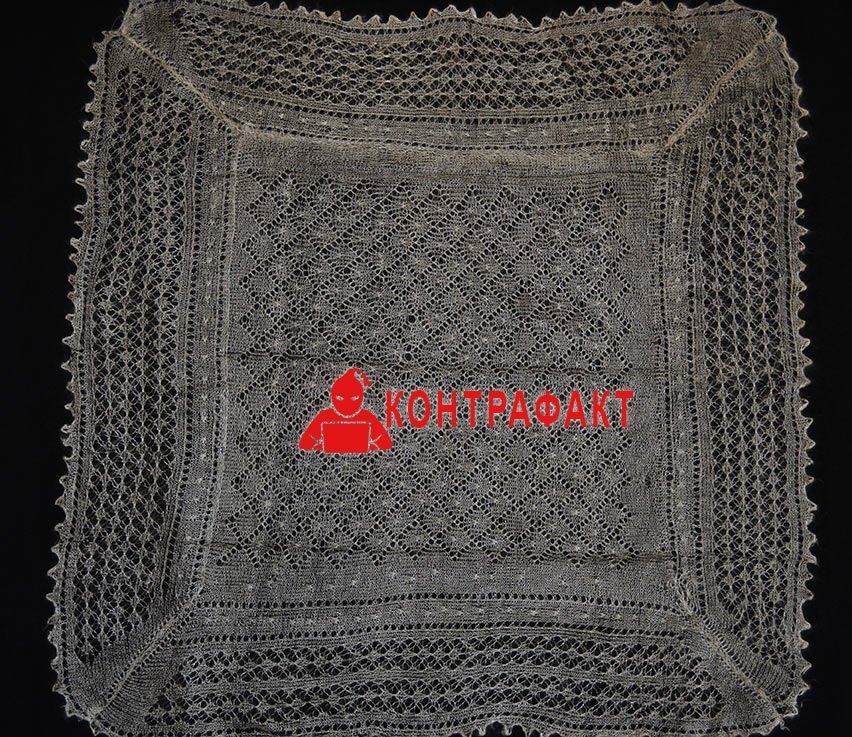
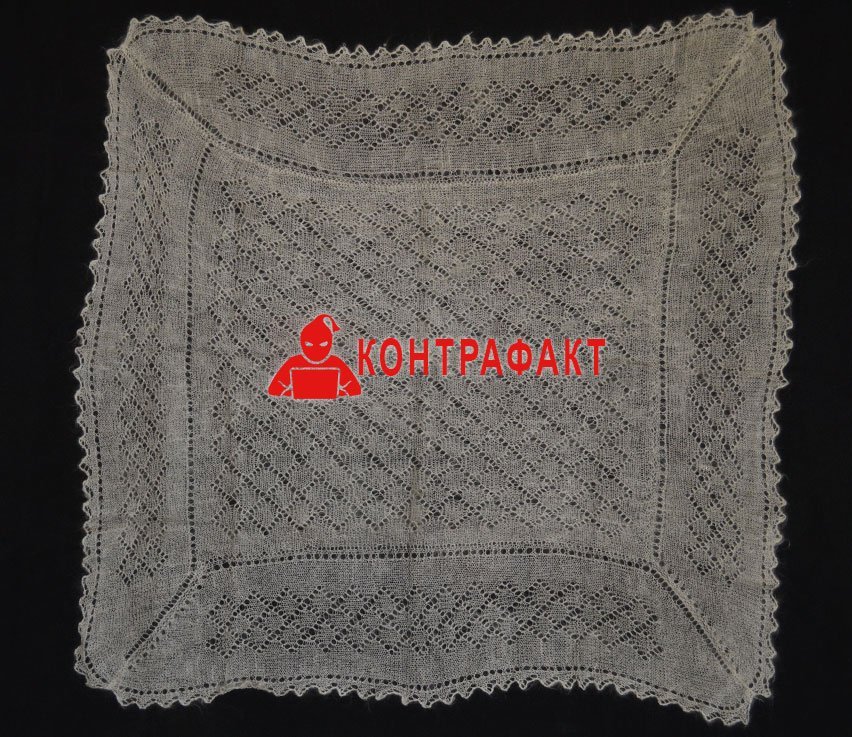
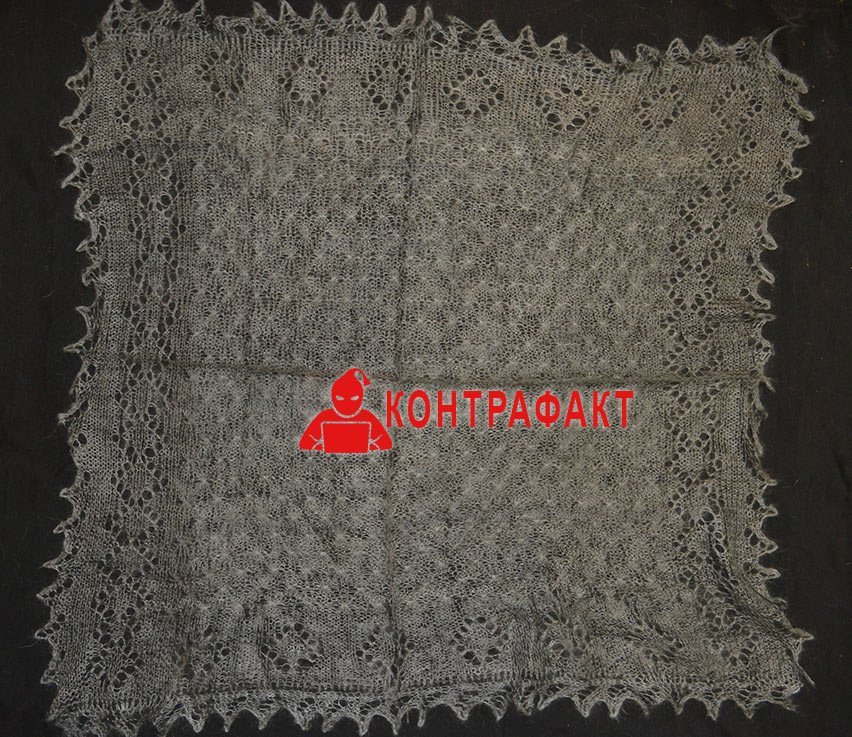
Many patterns may overlap with classic Orenburg ones, but on closer inspection everything becomes clear.
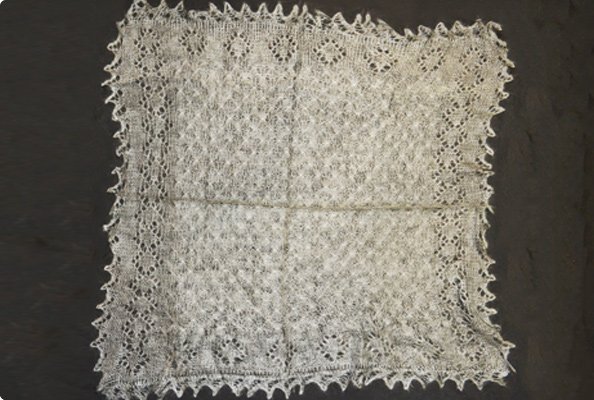
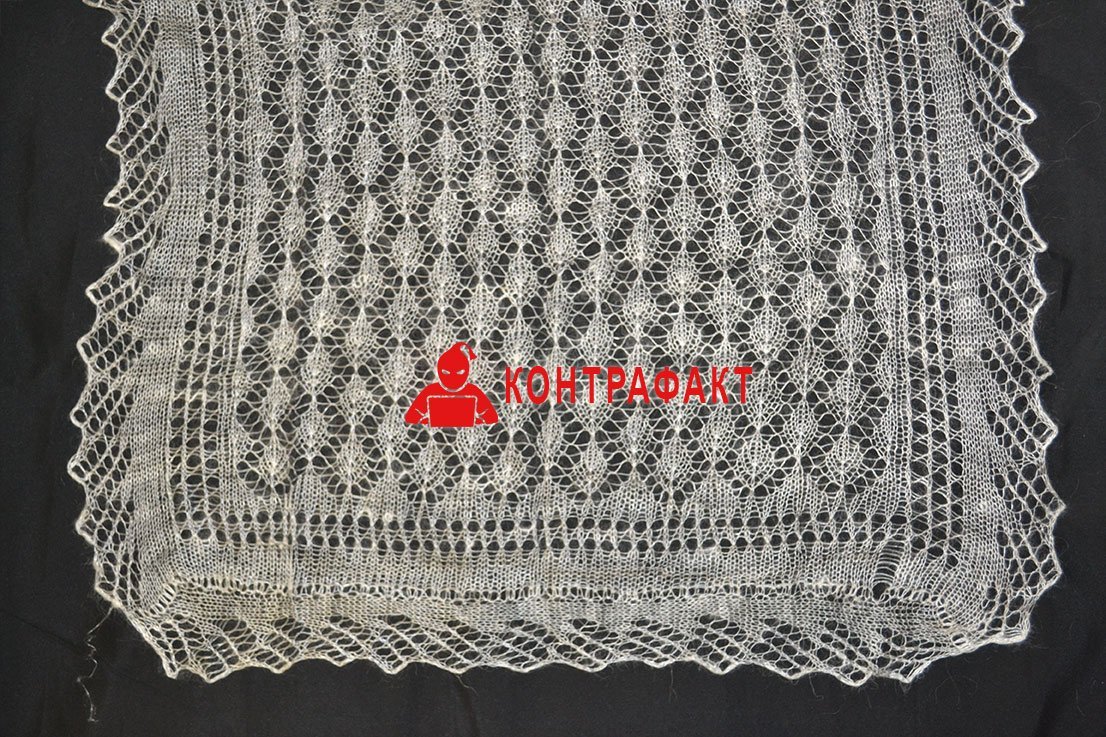
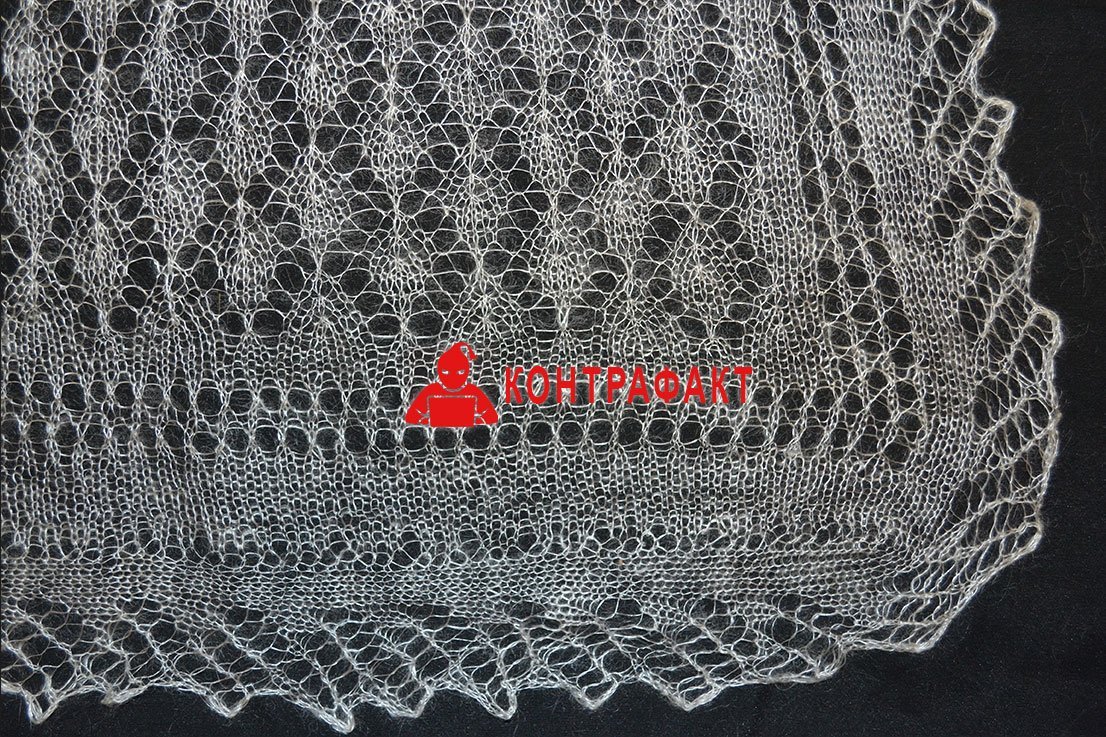
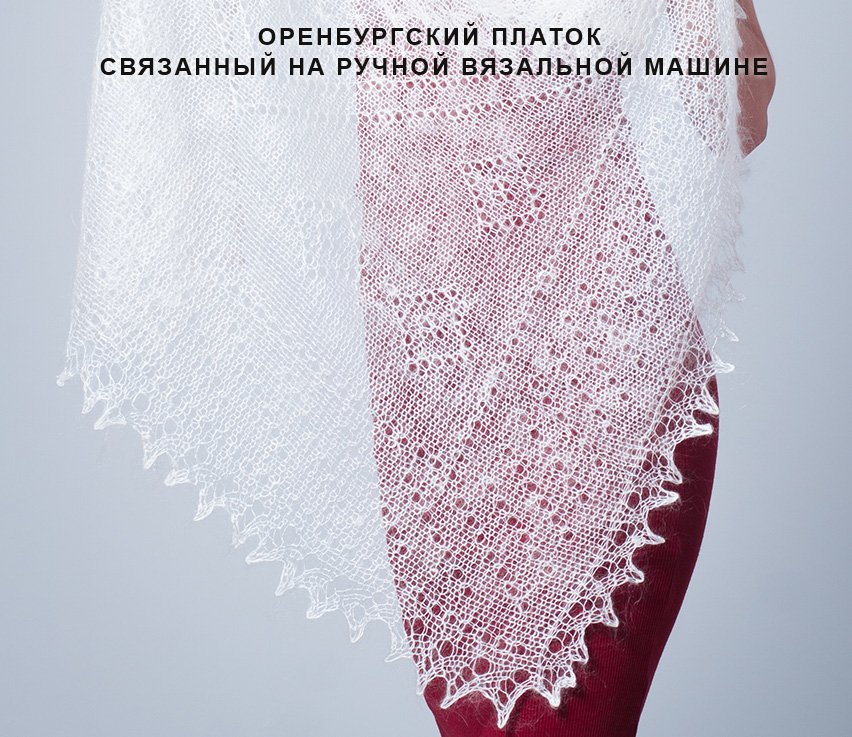
Here, for example, is an inexpensive machine-knitted Orenburg shawl.
And here is a shawl from our Asian “friends”.
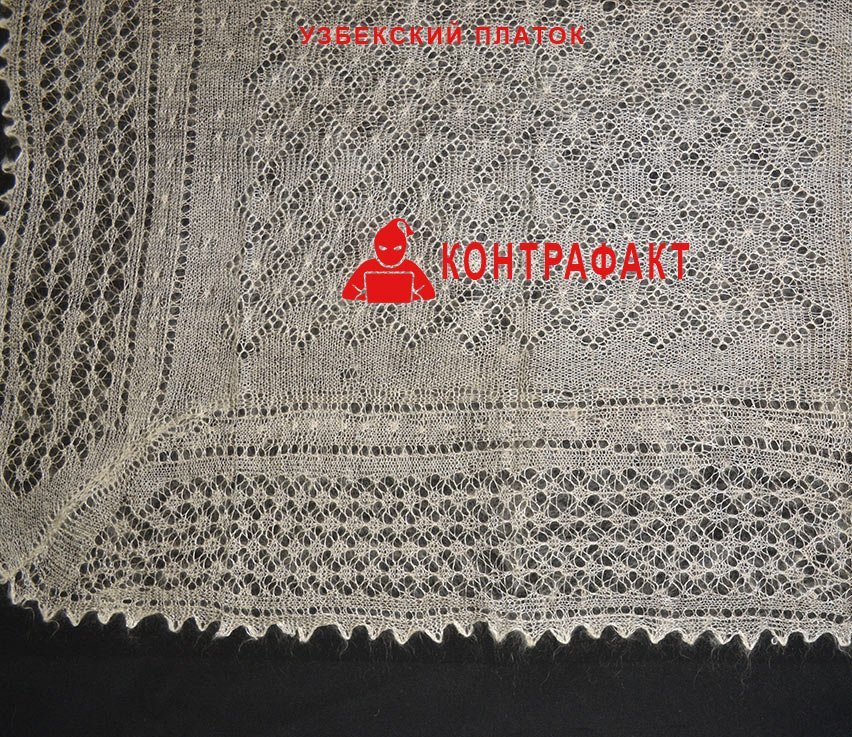
Pay attention to how the borders are knitted. On the Uzbek shawl they are carelessly attached to the middle. On the Orenburg one, the knitting is continuous.
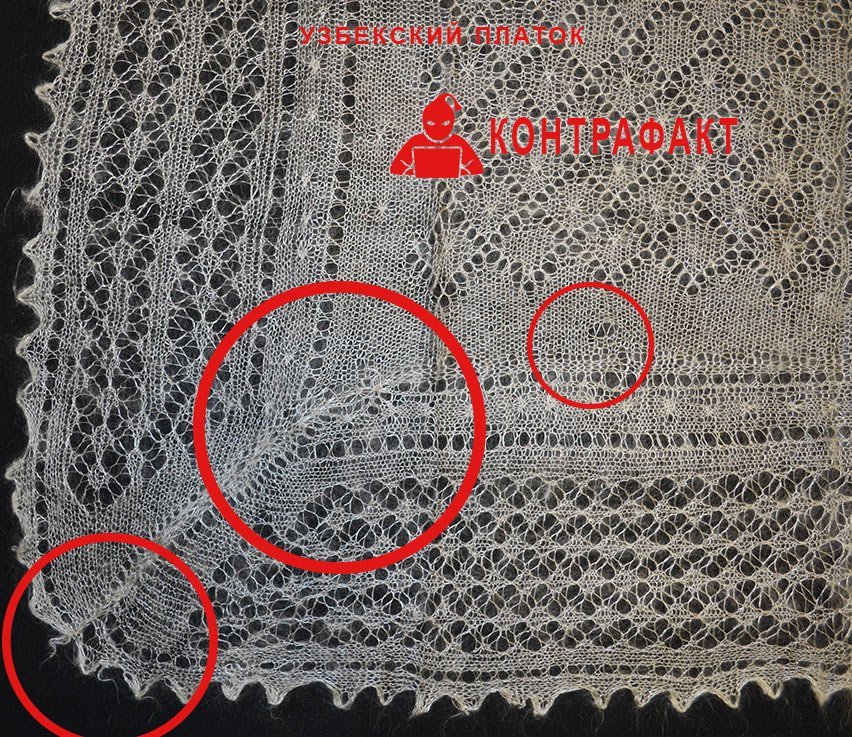
One of the most important but less obvious points is the quality of the down yarn. All Uzbek shawls sold in fraudsters' shops are made of co-spun yarn.
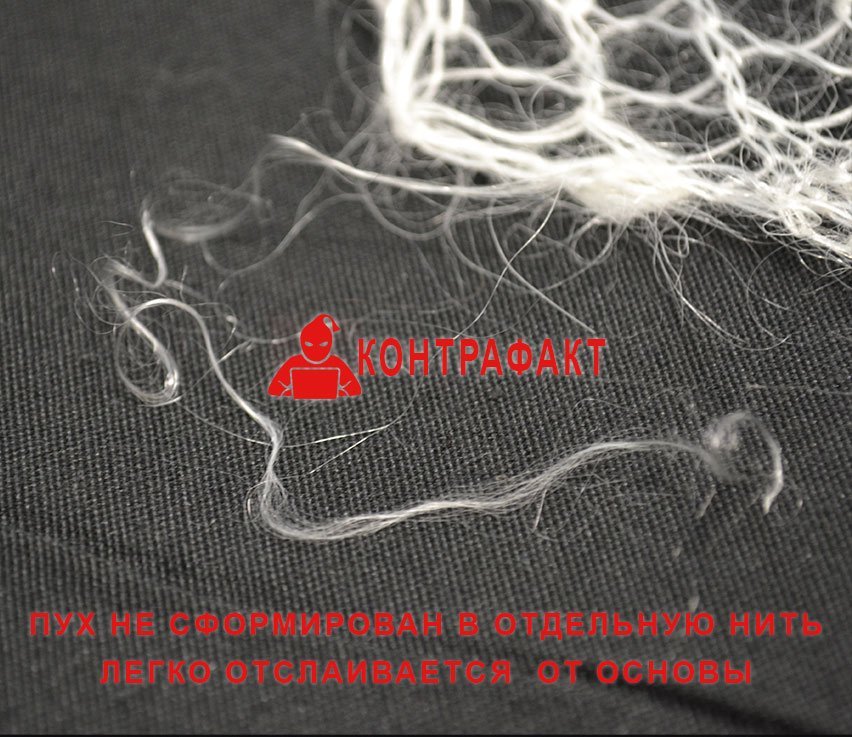
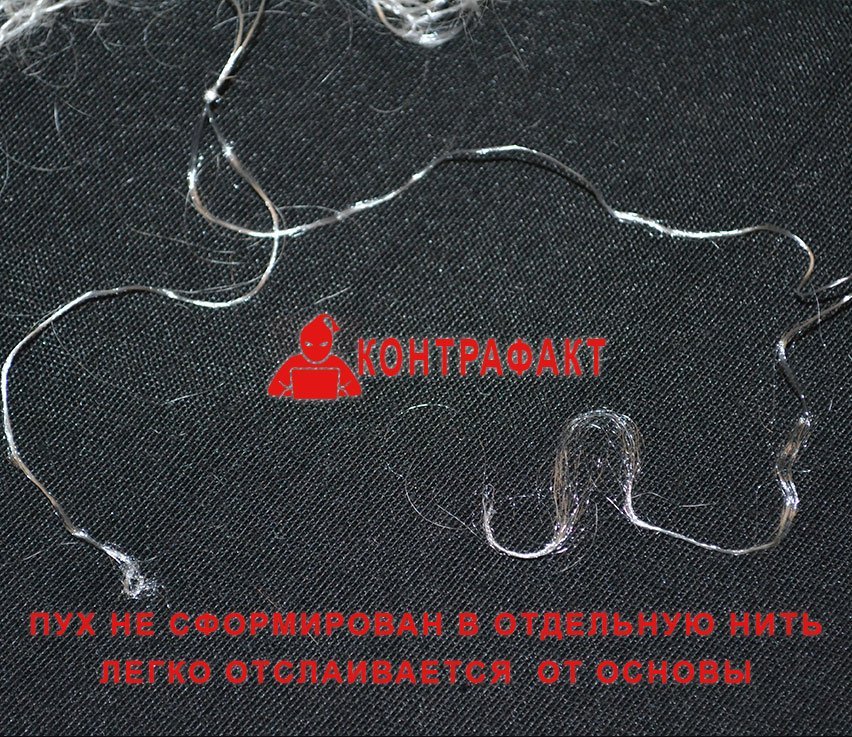
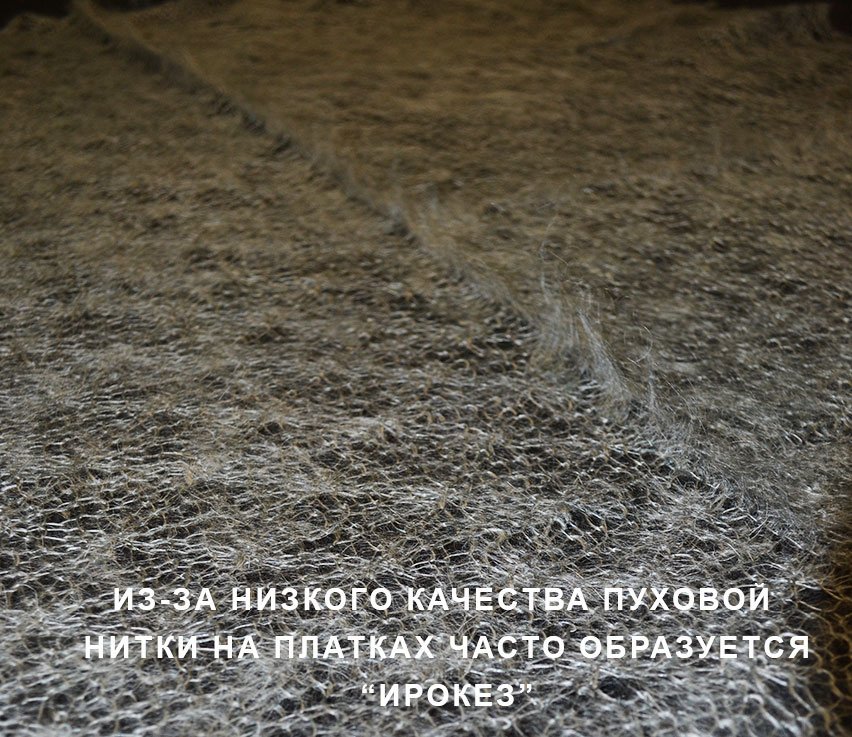
Here is another typical problem of cheap Uzbek shawls and stoles
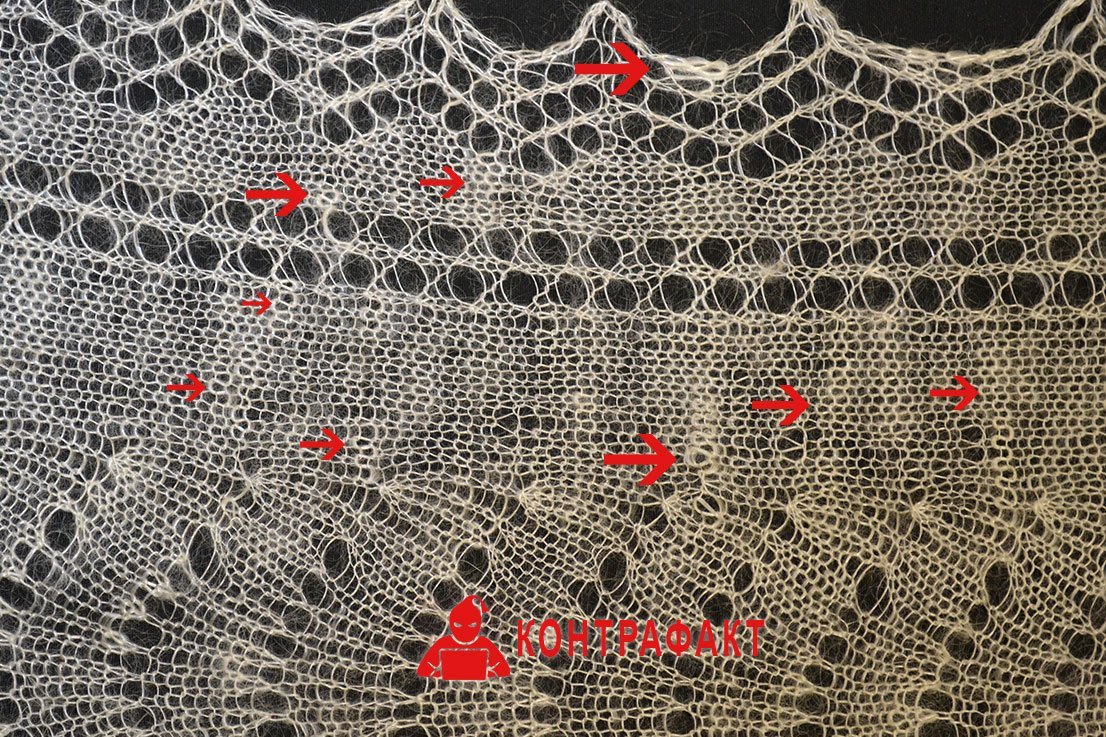
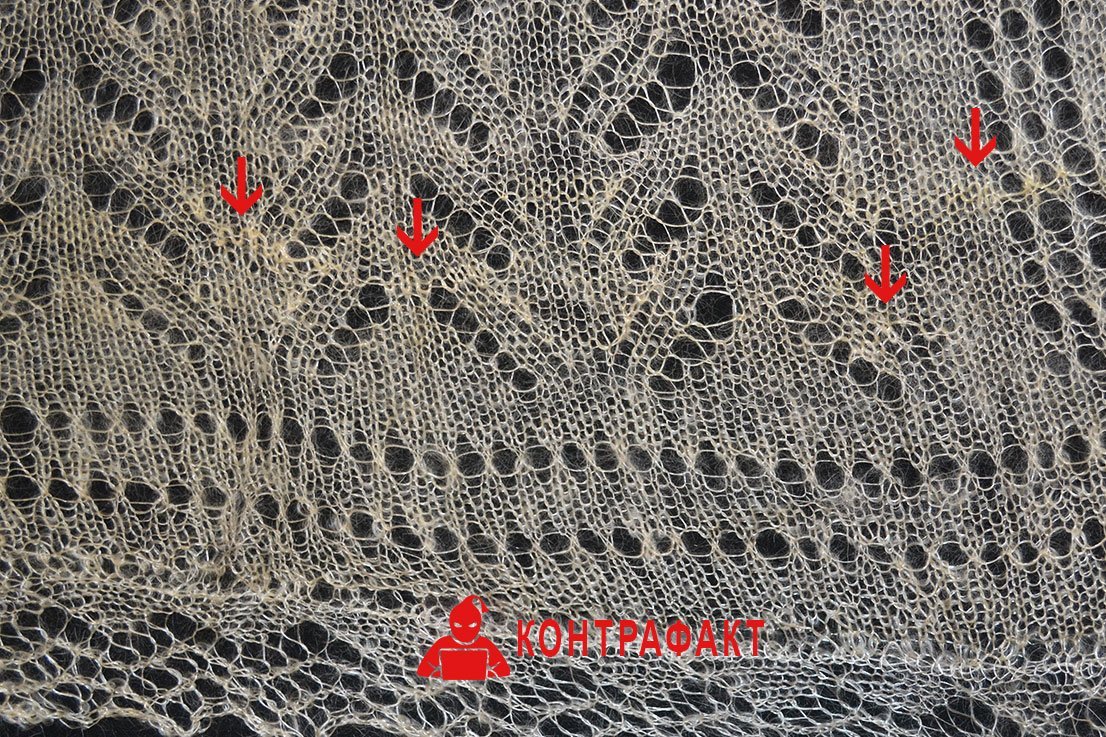
Pay attention to the thick stripes that stand out from the overall picture. These are the result of unevenly spun yarn, and therefore of its low quality.
We would also like to point out that Uzbek shawls as such can of course exist, and their producers do not call them Orenburg shawls. We are only against dishonest traders who pass off these down products as the legendary Orenburg down shawls, thereby destroying the prestige and centuries-old history of the brand.
There are also Asian shawls of very good quality (we mean only the quality of workmanship (knitting); the down in such products will always be inferior to Orenburg down), but they cost no less than Orenburg ones, or even more, and that is no longer of interest to fraudsters, since such products do not bring big profits.
The worst thing in this situation is that fewer and fewer people can buy genuine products and receive quality goods. Dishonest deceivers exploit the brand, earning huge sums on the labour of dozens of generations of our ancestors who, bit by bit, created the fame of the Orenburg down shawl. But what was created over centuries can easily be destroyed in a few years by counterfeit products flooding our country. Having bought a fake at a price that is substantial for it, 1,500–2,500 roubles, a person will be disappointed, and from that home a bad reputation of the Orenburg down shawl will spread. And thanks to the low price and the efforts of such traders, there are more and more such homes. And an ever larger shadow falls on the future of the centuries-old craft.
